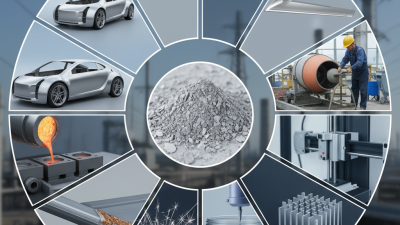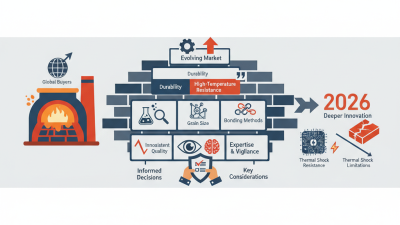
Choosing the right China-based aluminum flux powder supplier requires more than comparing prices. A reliable supplier should explain the powder’s application, operating temperature, and compatibility with your alloy. Ask for a recent certificate of analysis, safety data sheet, and batch traceability record. Check values such as chemical composition, particle size, moisture, and melting range. These details affect slag separation, metal recovery, and casting consistency.
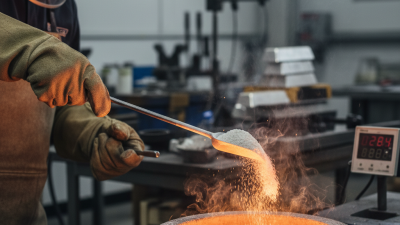
Request a production sample before signing a long-term agreement. Test it under your actual furnace temperature, alloy type, and dosing method. Record the powder’s flow, reaction speed, residue, and final metal appearance. A supplier may provide excellent laboratory results, yet the product can behave differently in a busy workshop. That difference matters. Packaging also deserves attention. Moisture-resistant bags, clear labels, and stable pallet protection reduce contamination during storage and transport.
Review the supplier’s quality system and export experience. Ask how operators control incoming materials, mixing, drying, and final inspection. Factory photos are useful, but a video audit or independent inspection offers stronger evidence. Confirm production capacity with realistic monthly figures, not vague promises. Communication should be precise when you discuss specifications, delivery dates, and corrective actions. I have seen buyers focus too heavily on unit cost. That choice can create higher expenses through unstable batches, extra flux consumption, or delayed production. Even a careful selection process has limits, so keep trial records and review performance after each shipment.