2026 Best Magnesite Refractory Bricks for Global Buyers?
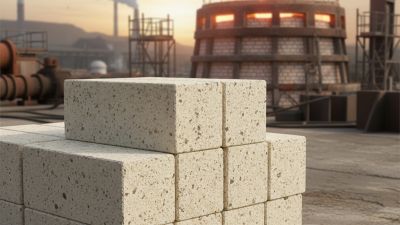
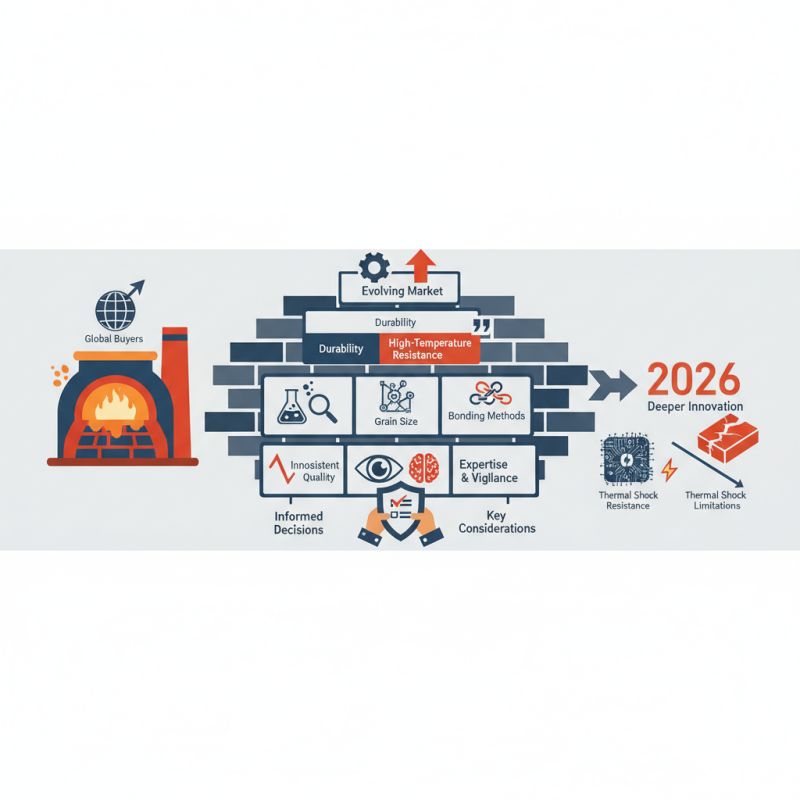
In the evolving market of refractory materials, Magnesite Refractory Bricks remain a cornerstone for industries worldwide. John Reynolds, a veteran expert in refractory engineering, once stated, "Magnesite bricks combine durability with high-temperature resistance, making them indispensable for modern furnaces." Their application spans steel production, cement manufacturing, and more.
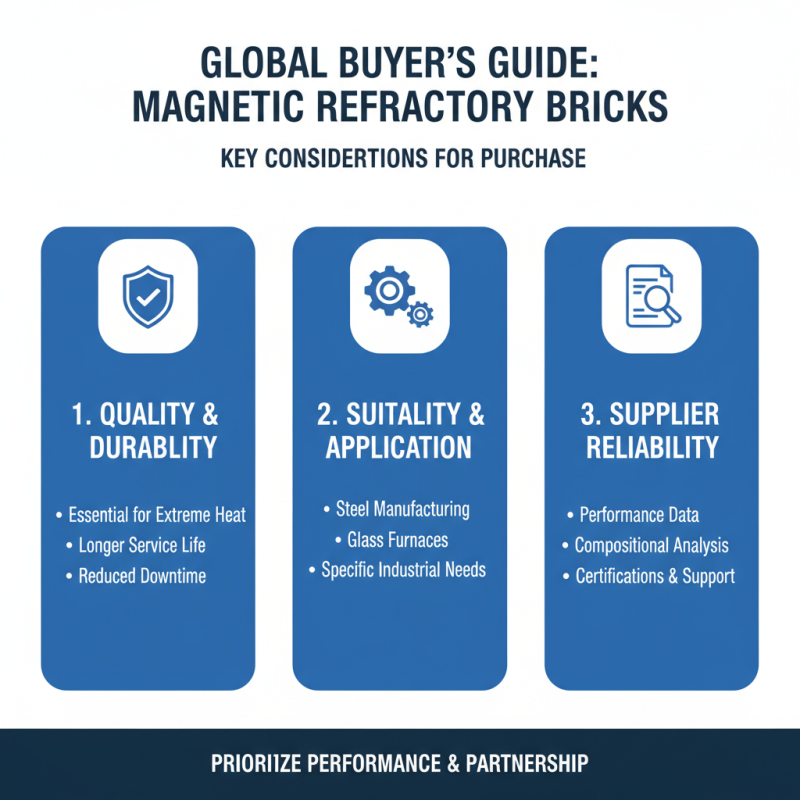
Despite their widespread use, selecting the best Magnesite Refractory Bricks is complex. Factors like chemical purity, grain size, and bonding methods affect performance. Buyers often face challenges due to inconsistent quality among suppliers. This creates a need for deeper expertise and vigilance to ensure long-term operational efficiency.
Looking ahead to 2026, trends hint at deeper innovation, but imperfections linger. Some products still fall short in thermal shock resistance. Understanding these limitations is crucial for informed decisions. This discussion aims to highlight key aspects that global buyers should consider carefully when sourcing Magnesite Refractory Bricks.
Overview of Magnesite Refractory Bricks and Their Importance
Magnesite refractory bricks play a crucial role in various industrial applications. They are primarily used in high-temperature environments, such as steelmaking and cement production. According to the latest industry reports, the global magnesite refractory market is projected to reach 2.7 billion USD by 2026, growing at a CAGR of 5.2%. This growth highlights the increasing demand for materials capable of withstanding extreme conditions.
The unique properties of magnesite refractory bricks include high durability and excellent thermal stability. These bricks can withstand temperatures exceeding 1800°C. However, sourcing high-quality magnesite is a challenge. Environmental concerns and mining regulations make supply inconsistent. Data shows that around 40% of magnesite resources are concentrated in a few countries, raising concerns about supply chain vulnerabilities.
Improper handling and installation can lead to performance issues. Users often overlook the importance of precise application techniques. While the material is robust, any misalignment during installation may lead to cracks and reduced lifespan. Industry experts stress the importance of regular inspections, as monitoring the condition of refractory linings can prevent costly downtime. Balancing quality and availability remains a pressing concern for manufacturers and buyers alike.
2026 Best Magnesite Refractory Bricks for Global Buyers
| Properties |
Value |
Importance |
| Refractoriness (°C) |
> 2000 |
High-temperature applications in industries. |
| Density (g/cm³) |
2.8 - 3.2 |
Essential for durability and performance of bricks. |
| Thermal Conductivity (W/m·K) |
6 - 10 |
Influences energy efficiency in furnace operations. |
| MgO Content (%) |
80 - 95 |
Higher MgO content enhances refractory properties. |
| Purity (%) |
> 97 |
Critical for minimizing defect rates in applications. |
| Applications |
Steel, Glass, Cement |
Used extensively across high-temperature industries. |
Key Properties and Benefits of Magnesite Refractory Bricks
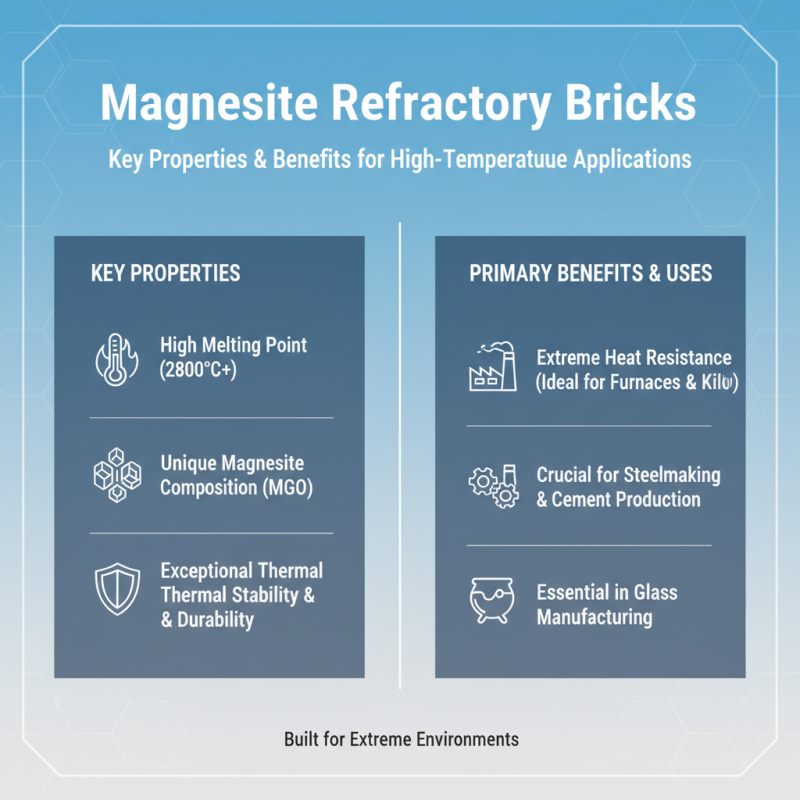
Magnesite refractory bricks are essential materials in high-temperature applications. They are mainly used in steelmaking, cement production, and glass manufacturing. Their high melting point makes them ideal for furnaces and kilns. The unique composition of magnesite contributes to their durability and thermal stability. This makes them suitable for extreme environments where heat resistance is crucial.
One noteworthy aspect is their low thermal conductivity. This property helps in energy savings during operations. Additionally, magnesite bricks resist chemical attacks from basic slag. This characteristic prolongs their lifespan and reduces maintenance costs. However, the extraction and processing of magnesite can pose environmental concerns. Striking a balance between performance and sustainability is vital for manufacturers.
Another critical benefit is their ability to withstand shock and thermal cycling. This characteristic aids in maintaining structural integrity under stress. When considering magnesite bricks, evaluating the specific application is essential. Not all magnesite bricks serve every purpose. Careful selection can enhance performance while minimizing drawbacks, such as initial costs and environmental impact.
Top Manufacturers of Magnesite Refractory Bricks in 2026
In 2026, the demand for high-quality magnesite refractory bricks is expected to grow significantly. According to recent industry reports, the global market for refractory materials is projected to reach $30 billion by 2026. This surge is driven by expanding industries such as steel, cement, and glass, which require efficient thermal management and stability in extreme conditions. Leading manufacturers are focusing on innovation and sustainability to meet this increasing demand.
Key manufacturers are investing in advanced technologies to improve the durability and performance of magnesite refractory bricks. Research suggests that these bricks offer superior resistance to thermal shock and chemical corrosion. While many manufacturers aim for high-quality production, inconsistencies in raw material sourcing can pose challenges. This inconsistency can lead to varying performance levels, which manufacturers need to reflect on.
Tips: Always prioritize research when selecting refractory suppliers. A well-informed choice can lead to improved operational efficiency and reduced downtime. Networking with industry experts can provide insights into reliable suppliers. Additionally, consider the ecological impact of your material choices, aligning with global sustainability goals.
Applications of Magnesite Refractory Bricks in Various Industries
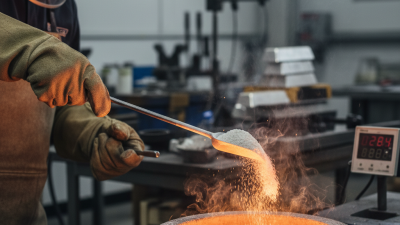
Magnesite refractory bricks are integral to various industries due to their high melting point and thermal stability. These bricks are primarily used in steel and cement manufacturing. In steel production, they withstand extreme temperatures and protect furnaces from corrosion. Their durability ensures a long service life, reducing the need for frequent replacements.
Moreover, magnesite bricks find applications in the glass industry. They help maintain necessary temperatures during glass melting processes. Additionally, they are also used in industrial kilns. Here, they provide excellent insulation, enhancing energy efficiency. Each application highlights the versatility of magnesite refractory bricks. However, sourcing quality materials can sometimes be challenging. Buyers must carefully evaluate suppliers to ensure reliability and consistency in quality. This consideration is vital for optimizing performance in harsh environments.
Applications of Magnesite Refractory Bricks in Various Industries