Who Are the Best Aluminum Powder Suppliers in China?
Choosing among the best aluminum powder suppliers in China requires more than comparing prices or production capacity. Buyers should examine particle-size distribution, purity, morphology, batch consistency, packaging, and technical support. These details affect whether a powder performs reliably in its intended industrial process. A polished catalog is useful, but it is not proof.
The U.S. Geological Survey’s Mineral Commodity Summaries 2025 estimates global primary aluminum production at about 72 million metric tons in 2024. The International Aluminium Institute also tracks monthly production, including China’s substantial contribution to global supply. These reports describe primary aluminum, not aluminum powder specifically. That distinction matters: powder is a more specialized product, and broad metal-production figures cannot confirm a supplier’s powder quality or capacity.
A careful shortlist should therefore be built from verifiable evidence. Request current technical data sheets, representative certificates of analysis, stated test methods, and clear batch-traceability details. Confirm that particle-size results match the buyer’s required specification, rather than relying on a single headline figure. Where practical, assess samples through qualified testing and compare results with the supplier’s documentation. Small differences can matter. Supplier claims also deserve independent review, especially when public information is limited. The comparison may take longer than expected; that is not a flaw in the process. It is a sensible way to identify a Chinese supplier whose capabilities fit the application, delivery needs, and quality expectations.
Understanding Aluminum Powder and Its Main Applications
Who Are the Best Aluminum Powder Suppliers in China?
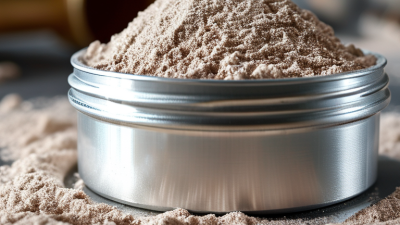
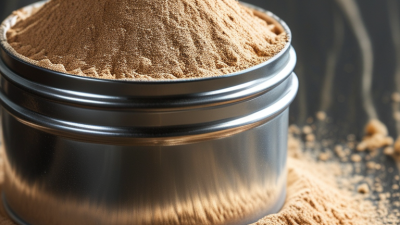
Aluminum powder is made from finely divided aluminum particles with controlled size, shape, and surface condition. These details influence flowability, reactivity, brightness, and packing density. A powder may look uniform in a container but perform unevenly during production. That is easy to overlook.
Its applications are broad. In architectural coatings and printing inks, aluminum powder creates a metallic appearance and reflective finish. In powder metallurgy, it supports lightweight component production and material blending. Some construction materials use aluminum powder to generate a controlled cellular structure. Additive manufacturing requires tighter control over spherical particles, oxygen levels, and size distribution.
Good suppliers should provide batch test reports, safety data sheets, traceability records, and clear packaging information. Buyers should check purity, particle-size ranges, moisture content, tap density, and surface treatment. Ask for samples before placing a large order. Small differences matter.
Safety requires careful attention. Fine aluminum dust can create fire or explosion hazards under certain conditions. Responsible suppliers explain storage, grounding, ventilation, and transport requirements. They should also follow applicable chemical, workplace, and shipping regulations. Certifications help, but paperwork alone is not proof of stable performance. An independent laboratory test may reveal differences between batches. The ideal supplier is not simply the cheapest source. It is the one that communicates limits honestly and supports consistent, documented use.
How to Evaluate Aluminum Powder Suppliers in China
When evaluating aluminum powder suppliers in China, begin with evidence, not polished product photographs. Ask for recent certificates, batch records, and a clear safety data sheet. Reliable suppliers should explain purity, particle size distribution, morphology, and surface treatment in practical terms. “High quality” is not a specification.
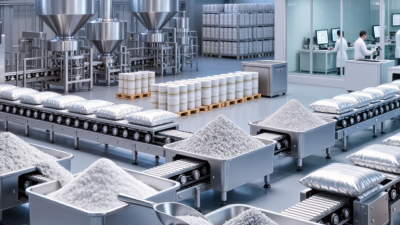
Request a sample from the same production line used for regular orders. Test it for flowability, moisture, apparent density, and particle consistency. Compare the supplier’s report with an independent laboratory result. Small differences can reveal weak process control. Check whether each container carries a batch number, production date, net weight, and traceable inspection record. Packaging matters too. Sealed moisture-resistant bags protect powder during transport and storage.
A factory audit can expose details that documents miss. Look for calibrated instruments, controlled weighing areas, dust management, and trained operators. Ask how complaints are investigated and how rejected batches are handled. A supplier that answers clearly is usually easier to manage after purchase. However, no audit is perfect. I have learned that one successful sample does not prove long-term stability. Review several batches and discuss realistic lead times, minimum order quantities, and replacement terms before signing an agreement. Supplier evaluation requires patience, technical questions, and a willingness to challenge attractive promises.
How to Evaluate Aluminum Powder Suppliers in China
This 100-point evaluation framework prioritizes measurable product quality and supply reliability. Buyers should verify purity, particle-size distribution, moisture, safety documentation, batch traceability, production capacity, and export capability through technical datasheets, certificates of analysis, SDS documents, samples, and audits. The percentages are procurement-weighting guidelines, not scores for any specific company or brand.
Profiles of Notable Aluminum Powder Suppliers in China
China’s aluminum powder supply base includes large integrated producers, specialist atomization plants, and smaller custom-processing workshops. Their strengths differ sharply. The U.S. Geological Survey reported that China produced about 41.6 million metric tons of primary aluminum in 2023. This deep upstream capacity supports steady access to feedstock, but it does not guarantee powder consistency.
Integrated suppliers usually offer stronger traceability. They can document billet origin, alloy composition, batch numbers, and furnace history. Specialist plants often provide tighter particle-size control for coatings, additive manufacturing, and thermal applications. A useful supplier profile should show laser-diffraction results, sieve analysis, moisture data, and oxygen measurements. Ask for recent certificates, not only catalogue values. Small details matter.
According to Grand View Research, the global aluminum powder market is expected to expand through the decade, although published forecasts vary by methodology. This growth is increasing pressure on Chinese suppliers to improve laboratory controls and export documentation. During an audit, buyers should inspect sealed packaging, humidity controls, and retained samples. A clean production floor helps, but it proves little alone. Some suppliers still present attractive averages instead of full batch variation. That deserves careful questioning. Supplier rankings should therefore consider repeatability, technical support, response time, and evidence quality—not price alone.
Comparing Supplier Quality, Certifications, and Services
Choosing the best aluminum powder supplier in China requires more than comparing prices. In supplier evaluations, I examine purity, particle size distribution, morphology, moisture control, and batch consistency. A reliable supplier should provide a recent certificate of analysis for every shipment. The document should match the actual lot number, not a generic sample.
Certifications also need careful checking. ISO 9001 can show controlled quality procedures, while ISO 14001 reflects environmental management practices. These certificates should be current and issued by recognized certification bodies. For international buyers, suppliers should provide accurate safety data sheets, clear labeling, and compliance information for the destination market. Ask about production audits, laboratory equipment, inspection frequency, and retained samples. Good service is practical. It includes responsive technical support, stable lead times, protective packaging, and transparent handling of complaints. A sealed inner bag, dry outer container, and readable batch label can prevent costly confusion.
Experience has taught me to test samples before signing a large contract. Small differences in flowability may affect mixing, coating, or other controlled industrial processes. No supplier is perfect. Some websites display impressive certificates but explain little about daily quality control. That gap deserves attention. I would also request a trial order, compare results across batches, and record every specification in the purchase agreement. A lower price is not a saving if inconsistent powder causes production delays.
Choosing the Right Supplier for Your Requirements
Choosing the right aluminum powder supplier in China requires more than comparing quotations. The best choice depends on your process, quality targets, and compliance duties. Powder for additive manufacturing may need a different particle distribution from powder used in coatings or metallurgy.
Ask for a current certificate of analysis, safety data sheet, and batch traceability records. Check purity, particle-size range, morphology, moisture, and packaging condition. Request a small sample before signing a large contract. Test it under your actual mixing, feeding, or compaction conditions.
During supplier discussions, notice how clearly technical staff answer questions. Reliable teams explain testing methods, storage limits, production capacity, and rejected-batch procedures. They should provide documents required for transport and workplace handling in your country.
Compliance is not a formality; it protects workers and prevents costly delays. An on-site or remote audit can reveal details that brochures miss, such as weak labeling or inconsistent records.
Lead time deserves equal attention. A supplier may promise fast delivery, then struggle during peak demand. Price still matters, but total cost includes testing, waste, freight, insurance, and corrective actions.
No checklist is perfect. Keep a backup source and review performance after each shipment, even when early batches look excellent.