What is Uncoated Aluminum Powder and Its Key Applications?
Uncoated Aluminum Powder is a versatile material with significant industrial applications. Experts often emphasize its importance in various manufacturing processes. Dr. Emily Harris, a leading materials scientist, has remarked, "Uncoated Aluminum Powder enables innovative solutions in multiple sectors."
This powder is primarily used in aerospace, automotive, and construction industries. Its lightweight nature and excellent conductivity make it valuable. However, some challenges remain. For instance, ensuring consistent quality across batches can be an issue.
The market for Uncoated Aluminum Powder is expanding. Companies are increasingly prioritizing sustainability and reducing their environmental footprint. This shift calls for innovative approaches and a reevaluation of traditional practices. The future of Uncoated Aluminum Powder may be bright, but it also demands careful consideration of evolving industry needs.
What is Uncoated Aluminum Powder?
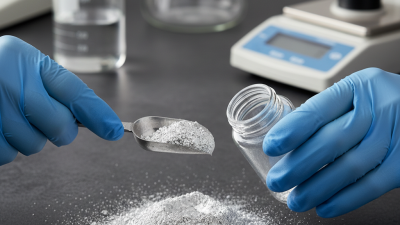
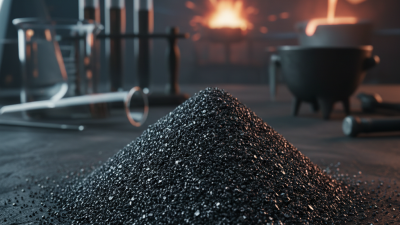
Uncoated aluminum powder is a fine metal powder made from aluminum. Unlike coated powders, uncoated versions lack surface treatments, which makes them more reactive. This characteristic allows the powder to be used in a variety of applications, especially in industries that require high performance materials.
In the realm of metallurgy, uncoated aluminum powder plays a crucial role in the production of lightweight alloys. These alloys are ideal for aircraft, automotive, and even sports equipment. The fine particle size ensures a uniform distribution in the alloy mixture, enhancing the mechanical properties of the final product. Many manufacturers prefer this powder for its superior purity and reactivity in chemical processes.
Furthermore, uncoated aluminum powder is also employed in the field of pyrotechnics. It serves as a fuel in many reactions, generating heat and light. However, the handling of this powder requires great care due to its reactive nature. Knowledge of the powder's properties is vital to ensure safety during its use. The lack of coating can be seen as a double-edged sword; while it enhances reactivity, it also demands thorough understanding and precautionary measures. Thus, while uncoated aluminum powder offers a wealth of opportunities, it invites a deeper reflection on safety and handling best practices.
Uncoated Aluminum Powder Applications
Properties and Characteristics of Uncoated Aluminum Powder
Uncoated aluminum powder is a fine metal powder known for its unique properties and versatility. It typically exhibits high thermal and electrical conductivity. The powder is lightweight but offers significant strength, making it an ideal choice in various applications. According to the Global Aluminum Powder Market Report, the demand for aluminum powder is projected to grow at a CAGR of over 5% from 2021 to 2026, driven by advancements in lightweight materials and sustainability in various industries.
One key characteristic of uncoated aluminum powder is its reactivity. When exposed to moisture, it can oxidize, which may impact its performance depending on the intended use. This oxidation can alter the powder’s adhesion properties in paints and coatings. Moreover, uncoated aluminum powder is often utilized in the manufacturing of explosives due to its high energy release upon combustion. However, proper handling and storage are crucial to mitigate risks associated with its reactive nature.
Always consider the application when selecting aluminum powder. Understanding the powder's intrinsic properties can ensure better results. Be aware of how environmental factors can influence performance. Regularly review best practices for storage to maintain powder integrity. This not only enhances safety but also improves application outcomes.
Key Manufacturing Processes of Uncoated Aluminum Powder
The manufacturing of uncoated aluminum powder involves precise processes that prioritize particle size and purity.
Atomization is one of the main techniques used. It entails forcing molten aluminum through a nozzle into a controlled atmosphere. The rapid cooling transforms the metal into fine particles. This method allows for uniform particle distribution, which is crucial for many applications.
Another critical method is mechanical milling. This process grinds larger aluminum chunks into a fine powder. Care must be taken with the milling parameters to prevent contamination from the milling equipment. This option is often more cost-effective but can introduce variability in particle size and morphology. The quality control steps in both methods are vital. Consistency in the final product ensures reliability in applications ranging from additive manufacturing to paints and coatings.
Designing the process parameters requires expertise. Each application may demand specific properties, such as different particle sizes or shapes. Manufacturers often adjust their techniques based on customer needs. Testing is essential to guarantee that the aluminum powder meets desired specifications. There is always room for improvement in optimizing these processes. Continuous R&D can lead to better yield and performance.
Primary Applications of Uncoated Aluminum Powder in Industry
Uncoated aluminum powder is a versatile material widely used across various industries. According to a report by MarketsandMarkets, the global aluminum powder market is projected to reach USD 1.48 billion by 2026, growing at a CAGR of 4.2% from 2021. This growth showcases the increasing adoption of uncoated aluminum powder in sectors such as aerospace, automotive, and chemical manufacturing.
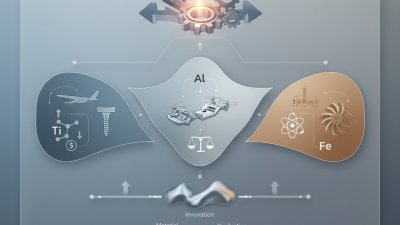
In the aerospace industry, uncoated aluminum powder serves as a vital component in metal matrix composites. These composites enhance structural integrity while reducing weight, a crucial factor for aviation applications. The automotive sector uses this powder in the development of lightweight parts, contributing to improved fuel efficiency. Data from the International Aluminum Institute indicate that the use of aluminum in automotive applications can lead to a 10% increase in fuel efficiency.
Moreover, uncoated aluminum powder is also significant in the chemical industry. It is utilized in producing highly reactive chemicals and coatings. However, the inconsistency in particle size poses challenges for manufacturers, impacting performance. While the material has proven benefits, its properties can vary based on production methods, making quality control essential. The balance between cost-effectiveness and quality remains an area that requires continual improvement in this field.
Safety and Handling Considerations for Uncoated Aluminum Powder
Uncoated aluminum powder is a fine material used in various industries. Proper safety and handling are crucial for its effective use. This powder can be flammable if not handled correctly. Thus, it is essential to understand how to manage this substance safely.
Wear appropriate protective gear when dealing with aluminum powder. This includes gloves, goggles, and a respirator. Dust can easily become airborne. Inhalation can lead to respiratory issues. Ensure that the workspace is well-ventilated. Removing any potential ignition sources nearby is vital.
Store aluminum powder away from heat and moisture. Keep it in a cool, dry place with a tightly sealed container. Regularly inspect storage areas for spills or leaks. Clean up immediately if any powder is spilled. This prevents the formation of dust clouds, reducing fire risks.
Disposing of aluminum powder requires careful consideration. Follow local regulations for hazardous waste disposal. Never throw it in regular trash. It’s important to think about the environment and safety. Proper management of uncoated aluminum powder can minimize hazards.