Top 5 Metal Materials for 3D Printing You Need to Know?
The use of 3D printer metal materials is revolutionizing manufacturing industries. According to a report by SmarTech Analysis, the metal 3D printing market is projected to reach $3.6 billion by 2025. This growth reflects the increasing demand for more efficient production methods and innovative designs.
Metal 3D printing offers unique advantages, such as reduced waste and complex geometries that traditional methods cannot match. However, choosing the right metal material can be challenging. Each material has distinct properties that impact both performance and cost. Understanding these and their applications is crucial for manufacturers aiming to leverage this technology effectively.
Despite the benefits, the industry faces obstacles. Not all metals are suitable for every application. The varying costs and processing complexities can lead to confusion. Insight into these top five metal materials will help streamline decision-making in an evolving landscape. This knowledge is essential for staying competitive in a rapidly advancing field.
Overview of Metal Materials Used in 3D Printing
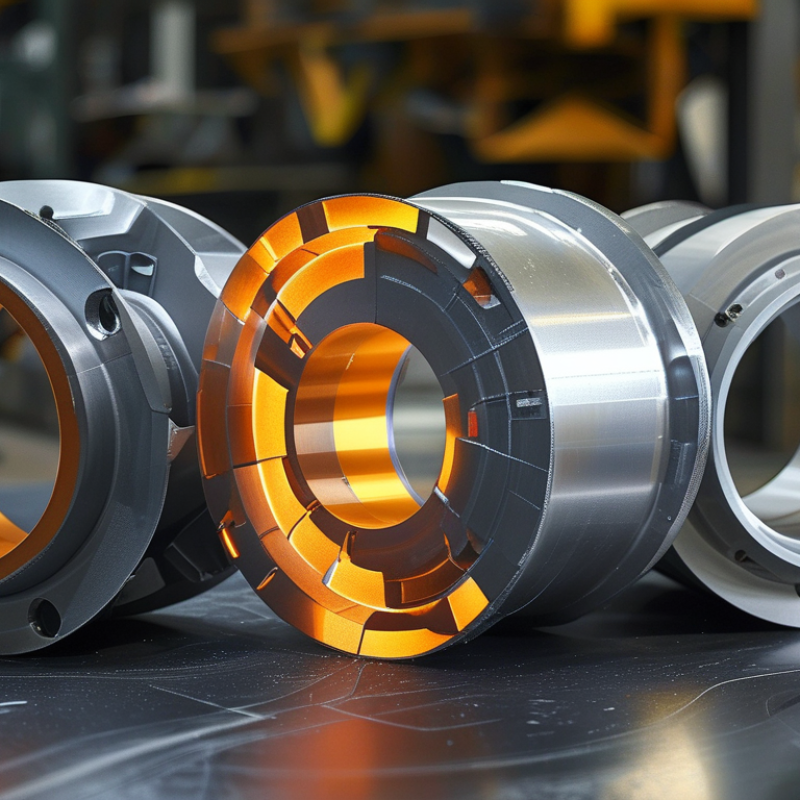
Metal materials play a crucial role in 3D printing, significantly enhancing the applications and quality of manufactured parts. Several types of metals are commonly used, each with unique properties. Stainless steel is often favored for its strength, corrosion resistance, and ease of printing. It is versatile, making it suitable for many industries, such as automotive and aerospace.
Another noteworthy material is titanium. Known for its lightweight and high strength-to-weight ratio, titanium is vital in aerospace and medical applications. However, it can be challenging to print due to its properties. Aluminum, on the other hand, offers excellent thermal conductivity and is easier to work with. Its adaptability makes it ideal for both functional and aesthetic components.
Yet, the choice of metal material is not without challenges. Each material requires specific printing techniques, and not all printers can handle them. Issues like warping and oxidation can arise during the printing process. These factors demand careful consideration and potentially further research. Exploring these materials opens a door to innovative designs and functional prototypes, but it also requires a commitment to understanding their complexities and limitations.
Top 5 Metal Materials for 3D Printing
This chart showcases the top 5 metal materials commonly used in 3D printing, highlighting their average density (g/cm³) and tensile strength (MPa).
Key Properties that Make Metals Suitable for 3D Printing
When it comes to 3D printing, the choice of metal materials is critically important. The right metals enhance the strength and durability of printed objects. They also affect the overall design capabilities, leading to innovative applications. Key properties such as high melting points, excellent strength-to-weight ratios, and superb corrosion resistance make certain metals particularly suitable for 3D printing.
For instance, titanium is prized for its exceptional strength and lightweight nature. It is often used in aerospace applications. Stainless steel, known for its corrosion resistance, is versatile and durable. Its ease of printing makes it a popular choice among engineers. Additionally, aluminum is notable for its low density and good machinability. However, one must be cautious with aluminum's thermal conductivity, as it can present challenges during the cooling process. Ultimately, each metal has unique properties that influence its suitability for various applications in 3D printing.
The complexity of working with metals in 3D printing cannot be overlooked. Each material behaves differently under pressure and heat. For newcomers, it might be overwhelming to choose the right metal for specific needs. Ongoing research continues to reveal more about these properties, ensuring that advancements in metal 3D printing remain exciting and challenging. Understanding these elements is key to refining design processes and achieving optimal results in 3D printed applications.
Top 5 Metal Materials for 3D Printing and Their Applications
Metal 3D printing is revolutionizing manufacturing. It offers unmatched versatility and precision. Several metal materials stand out for their unique properties and applications.
Stainless steel is a popular choice due to its strength and corrosion resistance. According to a 2022 industry report, stainless steel accounts for over 45% of the metal 3D printing market. It's ideal for producing durable parts in aerospace and automotive industries.
Aluminum is another lightweight alternative. It exhibits excellent thermal and electrical conductivity. Its usage has seen a rise of 30% year-over-year in aerospace parts. Titanium is renowned for its remarkable strength-to-weight ratio. It is essential in medical implants and aerospace components. The demand for titanium parts continues to grow, indicating its reliability in critical applications.
However, challenges persist with metal 3D printing. Issues like surface finish and post-processing requirements can complicate production. As the industry evolves, ongoing research is essential to address these concerns and enhance material performance. Ultimately, understanding these top materials is key to leveraging their full potential in various sectors.
Comparative Analysis of Metal Printing Techniques
Exploring different techniques for metal 3D printing reveals significant nuances. Each method offers unique benefits and challenges in terms of material properties and production speed. For instance, Powder Bed Fusion provides excellent resolution and intricate designs. However, it can be slower and more expensive compared to Wire Arc Additive Manufacturing, which is faster but might sacrifice some detail.
When choosing a technique, consider the specific application. Metal Binder Jetting produces complex geometries with less waste. Yet, this method may require post-processing steps to enhance durability. Ultimately, understanding these methods will help you make informed choices for your projects.
Be mindful of the finishing processes. The initial print may require supports or additional treatments, affecting the final quality. Accessibility and cost-effectiveness are equally crucial. Assess the trade-offs between precision and production time. Remember, the best choice depends on your specific needs and priorities.
Top 5 Metal Materials for 3D Printing You Need to Know
| Material |
Max Build Size (mm) |
Strength (MPa) |
Density (g/cm³) |
Cost ($/kg) |
| Titanium |
2500 |
900 |
4.51 |
80 |
| Aluminum |
3000 |
250 |
2.70 |
30 |
| Stainless Steel |
1800 |
600 |
7.85 |
50 |
| Inconel |
2000 |
1000 |
8.19 |
150 |
| Cobalt Chrome |
1200 |
700 |
8.5 |
100 |
Future Trends in Metal Materials for 3D Printing
The landscape of 3D printing is evolving rapidly, particularly in the domain of metal materials. New alloys are being developed that can withstand higher temperatures and pressures. These materials show potential for industries like aerospace and automotive, where durability is essential. The focus is shifting toward lightweight structures that do not sacrifice strength. These advancements promise to revolutionize product designs.
Future trends indicate a rise in the use of metal composites. These materials combine metals with other elements for improved performance. For instance, integrating ceramics can enhance heat resistance. This integration creates opportunities for innovative designs and applications. However, there are challenges. The complexity of these materials can lead to difficulties in processing and quality control.
Sustainability is also becoming a priority. Efforts are being made to recycle metal powders and reduce waste. The aim is to create a circular economy in 3D printing. While advancements are promising, they often come with a steep learning curve. Industries must invest in training and equipment. Embracing these future trends in metal materials requires both cautious optimism and a willingness to adapt.