How to Choose the Best Titanium 3D Printer in 2026?
As the demand for advanced manufacturing grows, the Titanium 3D Printer industry is evolving rapidly. Industry expert Dr. Sarah Thompson states, "Choosing the right Titanium 3D Printer requires careful consideration of materials and technologies." This insight highlights the complexity of selecting the best printer in 2026.
In a world where precision and durability are paramount, navigating through options can be daunting. Many buyers might overlook crucial factors. Each Titanium 3D Printer offers unique advantages and limitations. Understanding these elements ensures informed decisions.
Take time to research different models, focusing on their build quality and user reviews. A trusted printer can save time and resources in the long run. With advancements occurring swiftly, it is essential to stay updated. However, buyers should be wary of over-promising advertisements that may lead to disappointment.
Understanding Titanium 3D Printing Technology and Its Applications
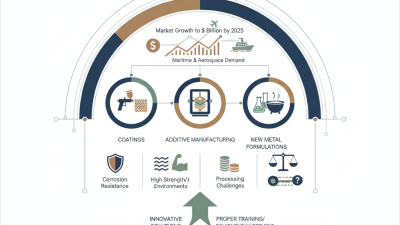
Titanium 3D printing technology has transformed industries like aerospace and medical. This unique method allows the creation of complex geometries that traditional manufacturing struggles with. Through selective laser melting (SLM), fine titanium powders are fused layer by layer. The end products benefit from titanium's lightweight, high strength, and corrosion resistance.
Applications of titanium 3D printing are extensive. In aerospace, titanium components reduce weight, leading to fuel efficiency. In medical fields, custom implants and prosthetics tailored to individual patients improve outcomes. However, challenges remain. The cost of titanium powder is high. Furthermore, the process itself requires precise control and expertise.
While the technology is promising, the learning curve can be steep. Users must understand the properties of titanium and how they affect printing parameters. Mistakes in settings can lead to poor quality parts. Ongoing research aims to address these issues. Knowledge and innovation will drive the future of titanium 3D printing forward.
Key Features to Look for in a Titanium 3D Printer
When selecting a titanium 3D printer in 2026, key features are critical. Look for build volume. A larger volume allows for bigger parts, enhancing design possibilities. Pay attention to the printer's temperature capabilities. High temperatures are essential for melting titanium efficiently. This can affect material properties and print quality.
Consider the printer's layer resolution. A finer resolution results in smoother finishes. Smooth surfaces reduce post-processing efforts. Reliability also matters. Check for user reviews and durability over time. Some printers may struggle with consistency, leading to wasted materials and time.
In addition, assess the software compatibility. Intuitive software makes a difference in user experience. It can simplify complex designs. However, software learning curves can be challenging. Be prepared for a learning phase that may take time. Remember, better features come with a price. Balancing budget with performance is crucial for long-term satisfaction.
Evaluating Print Quality and Performance Metrics
When evaluating titanium 3D printers, print quality is paramount. Look for printers that deliver high resolution and precision. You want to assess layer adhesion and surface finish. These factors contribute to the strength and longevity of the printed object.
Tip: It's essential to review user feedback on quality. Many users share their experiences with specific models. Analyze these insights for more informed decisions.
Performance metrics play a critical role as well. Consider build speed and material compatibility. Fast printing times can boost productivity. Ensure the printer can handle various titanium alloys, as this improves versatility.
Tip: Check benchmarks from reputable sources. They often provide comparative data on speed and performance consistency. Be cautious, as some metrics may be misleading. Reflection on actual user experiences often reveals hidden flaws.
Comparing Cost-Effectiveness and Material Compatibility
In 2026, selecting an effective titanium 3D printer revolves around two main factors: cost-effectiveness and material compatibility. Titanium is renowned for its strength and lightweight properties, but prices can vary significantly between printers. According to industry reports, the average cost of a titanium printer ranges from $250,000 to over $1 million. Lower-cost models often compromise on speed or precision, which may affect production quality.
Material compatibility is another crucial element. Not all printers can handle titanium efficiently. A study by the Additive Manufacturing Research Consortium noted that only 30% of standard 3D printers are capable of effectively working with titanium alloys. Many printers may struggle with issues like warping or adhesion during the printing process. Understanding these limitations is vital. You may find that certain printers excel with specific titanium alloys, while others do not.
Evaluating the total cost of ownership is necessary too. Beyond the initial purchase price, maintenance and material costs accumulate. Reports indicate that titanium powder can contribute up to 40% of ongoing costs. You must not overlook these factors when assessing performance. Ensure you explore these dimensions thoroughly to make an informed choice. Making an ill-informed decision might lead to considerable setbacks down the line.
Assessing After-Sales Support and Maintenance Options
When selecting a titanium 3D printer in 2026, assessing after-sales support and maintenance options is crucial. Reports indicate that 70% of users prioritize post-purchase support. Effective customer service can help you troubleshoot issues and ensure smooth operations. Look for companies that offer comprehensive training programs and responsive technical support.
Tips: Inquire about the availability of spare parts. A reliable supplier ensures quick access to necessary components. Consider companies that provide online resources, such as tutorials and user forums.
Maintenance is often overlooked but is vital for performance. Regular upkeep can extend the printer's lifespan. Studies show that routine check-ups can prevent 60% of unexpected breakdowns. Always ask about the maintenance schedule and what it entails. Assess the ease of performing these tasks as some may require specialized skills or tools.
Tips: Keep a log of maintenance activities. This can help identify patterns or recurring issues. Knowing your printer's history can aid in decision-making for upgrades or replacements.