2026 Best 3D Printing Powder for Global Buyers Insights?
The landscape of 3D printing is evolving rapidly, and one of its most crucial components is 3D printing powder. This material plays a vital role in creating precise and durable objects. For global buyers, choosing the right type of powder can be overwhelming. There are many options, each offering unique benefits.
As we explore the best 3D printing powder available in 2026, it is essential to consider various factors. Different materials, such as plastics and metals, significantly impact productivity and quality. Buyers should look for powders that ensure consistency and reliability. This helps prevent errors during production.
Moreover, the environmental impact of these materials is increasingly important. Sustainability matters in manufacturing. Therefore, buyers must reflect on their choices. Are they opting for eco-friendly options? Understanding these dimensions can lead to more informed decisions. In summary, the importance of selecting the right 3D printing powder cannot be overstated.
Overview of 3D Printing Powders in 2026
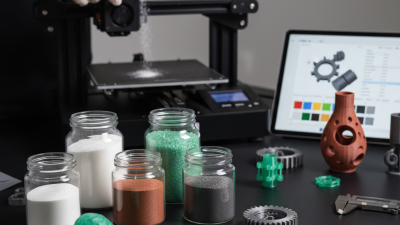
In 2026, the landscape of 3D printing powders is transforming. Diverse materials such as polymers, metals, and ceramics are becoming more popular. Each material holds unique properties that cater to specific applications. For instance, metal powders often provide superior strength and durability, while polymer powders offer flexibility and ease of use.
Tips: Always assess the application requirements before choosing a powder. Consider the material's compatibility with your 3D printer. Unsuitable choices can lead to poor print quality or machine damage.
The trend in 2026 is leaning towards eco-friendly powders. Biodegradable options are emerging, appealing to environmentally conscious buyers. However, these materials may lack some performance metrics compared to traditional powders. It's crucial to balance sustainability and performance.
Tips: Research thoroughly before integrating new materials into your workflow. Test small batches to understand their behavior during printing. Adjustments may be needed to optimize the end product.
As the industry progresses, staying updated with the latest developments is vital. This will enable buyers to make informed decisions. Yet, the rapid pace means some options might quickly become obsolete. Regular reevaluation of your material choices could save time and resources.
Key Materials for 3D Printing: Types and Properties
The landscape of 3D printing is rapidly evolving. Understanding the key materials used is essential for maximizing performance. Popular materials include nylon, metal, and polymers. Each type contributes unique properties to 3D prints.
Nylon is often favored for its flexibility and strength. It is widely used in functional prototypes and final parts. Research shows that nylon can withstand impacts better than many alternatives. However, its moisture sensitivity can lead to challenges in production. Proper storage and handling are crucial for maintaining material integrity.
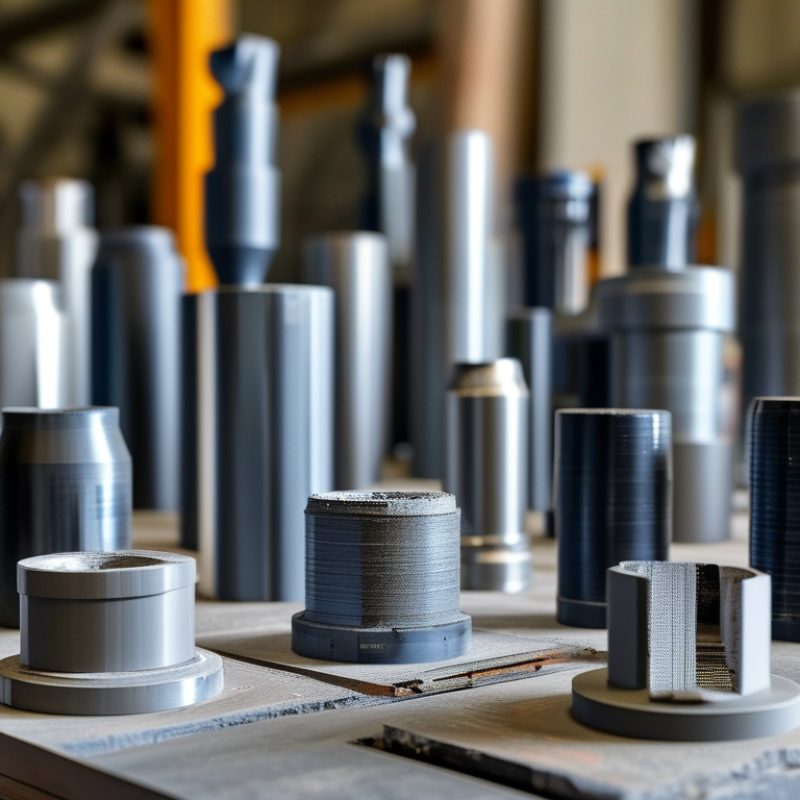
Metal powders, such as titanium and aluminum, are essential for industrial applications. These materials demonstrate excellent thermal conductivity and durability. According to industry reports, metal 3D printing is expected to grow significantly, driven by aerospace and automotive sectors. Despite the benefits, the high cost of metal powders and sophisticated printing processes can deter some buyers. Understanding these complexities is vital in making informed decisions.
2026 Best 3D Printing Powder Insights
Market Trends Influencing 3D Printing Powder Selection
The landscape of 3D printing powder involves various trends that greatly influence buyer decisions. Material properties such as strength, flexibility, and temperature resistance are critical. Buyers often seek powders that provide a balance between functionality and cost. As industries evolve, this search has led to an increased focus on materials that promote sustainability. Environmental awareness drives demand for biodegradable and recyclable options.
Market trends show that users now prioritize compatibility with different printers. Diverse printing technologies require specific powders. This complicates decision-making, as buyers must ensure that the materials align with their equipment. Additionally, innovation in powder processing techniques continues to reshape expectations. As manufacturers refine their methods, users may find inconsistencies in powder quality and performance. This uncertainty warrants a closer examination of supplier reliability.
Another factor is the rapid pace of technological advancement. Buyers need to keep up with new developments in material science. The evolution of composites and alloys may enhance applications across sectors. However, not all trends suit every industry. Some users face challenges when adopting novel materials without sufficient testing. The importance of thorough research cannot be overstated. Adjusting to these dynamics helps buyers make informed decisions.
2026 Best 3D Printing Powder for Global Buyers Insights
| Material Type |
Applications |
Market Trends |
Sustainability Index |
Cost per kg (USD) |
| Stainless Steel |
Industrial Parts, Aerospace |
Growing demand due to strength |
Moderate |
35 |
| Aluminum |
Aerospace, Automotive |
Increasing lightweight applications |
High |
45 |
| Titanium |
Medical Implants, Aerospace |
Innovation in biocompatibility |
Very High |
100 |
| Nylon |
Consumer Goods, Prototyping |
Popularity in functional parts |
Moderate |
25 |
| Polycarbonate |
Eyewear, Automotive Components |
Demand for durability |
Low |
30 |
Comparative Analysis of Leading 3D Printing Powder Brands
As the 3D printing market grows, selecting the right powder is crucial. Various brands offer unique attributes. Some powders excel in detail, while others focus on strength. Buyers need to weigh these factors carefully.
Cost is another important aspect. Budget-friendly options may lack the quality of premium powders. However, high-end powders do not guarantee success in all projects. It’s essential to assess the project requirements versus the costs.
Additionally, user reviews provide valuable insights. Positive experiences can indicate reliability. Yet, one should remain skeptical of overly enthusiastic feedback. Not all products meet expectations. Therefore, conducting thorough research is necessary for informed choices.
Future Innovations in 3D Printing Powder Technology
The future of 3D printing powder technology is poised for remarkable advancements. According to a recent market report, the global 3D printing materials market is expected to reach $6.5 billion by 2026. Innovations in powder technologies are a significant contributor to this growth. New materials are being developed with enhanced properties, such as improved layer adhesion and better mechanical strength.
Companies are focusing on metal and polymer powders. These are becoming essential for high-performance applications. For example, the introduction of metal alloys can lead to lighter, stronger components for aerospace and automotive industries. Research shows that the use of composite powders may offer better thermal and electrical properties for diverse applications. However, the consistency and quality of these powders remain a challenge, requiring ongoing evaluation of production methods.
Another area of innovation is in the recycling of powders. The sustainability aspect is gaining traction as industries seek to minimize waste. Reports suggest that up to 50% of unused powder can be recycled, which adds value to the manufacturing process. Yet, the efficacy of recycled powders in quality output is still under scrutiny. As technology progresses, ongoing research will be crucial to overcome these challenges and optimize the use of 3D printing powders.