Top 10 Best 3D Laser Printers for Every Budget in 2026?
In recent years, the world of 3D printing has evolved rapidly. Among the innovations, the 3D laser printer stands out. These printers offer precise and detailed designs. They cater to various budgets, making them accessible for hobbyists and professionals alike.
Choosing the right 3D laser printer can be daunting. Numerous options exist, each with unique features. Users need to reflect on their specific needs and budget constraints. High-end models offer exceptional quality but can be cost-prohibitive. Budget-friendly printers may lack some features but still deliver impressive results. It's essential to balance quality and affordability.
In this guide, we'll explore the top 10 3D laser printers for all budgets in 2026. From entry-level devices to advanced models, there's something for everyone. Each printer offers a distinct set of capabilities, allowing users to make informed choices. Let’s delve into the details and discover the best options available.
Overview of 3D Laser Printing Technology and Its Benefits
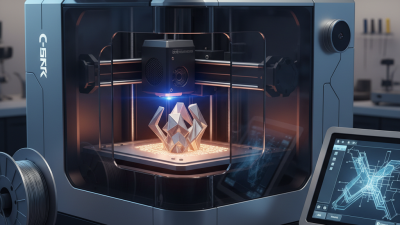
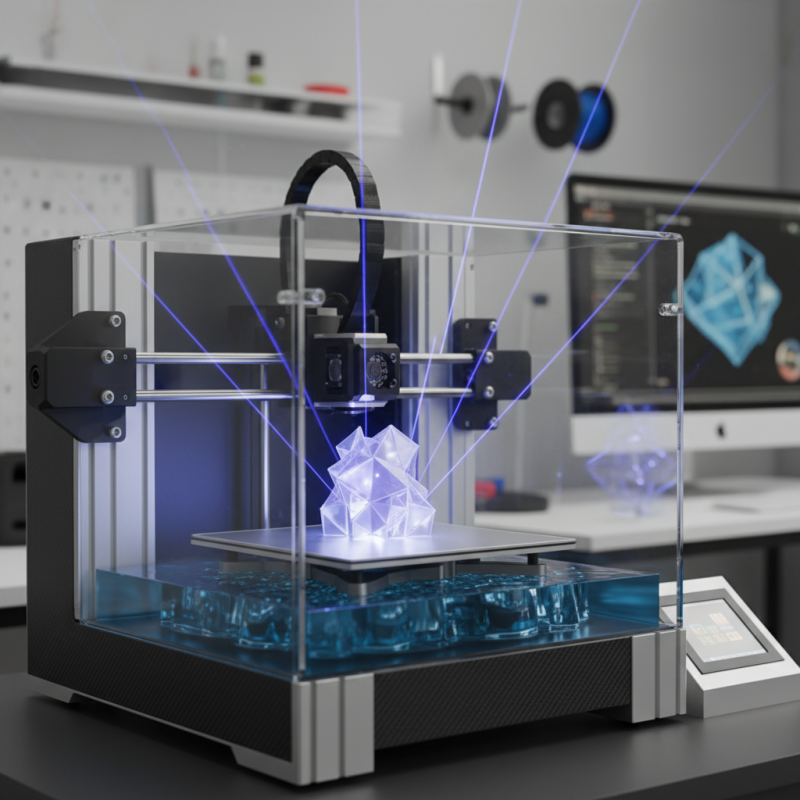
3D laser printing technology represents a significant leap in manufacturing and design. This method utilizes high-powered lasers to fuse materials, often polymers and resins. As a result, it produces intricate and detailed objects with impressive precision. One notable benefit is its ability to create complex geometries that other manufacturing techniques struggle with. This opens up new avenues for innovation across various industries.
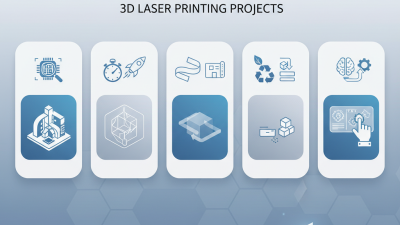
Moreover, 3D laser printers can reduce waste significantly. Traditional manufacturing often creates a surplus of unused material. In contrast, laser printing employs an additive process. This means material is added layer by layer, minimizing excess waste and promoting sustainability. Enthusiasts also appreciate the faster prototyping capabilities of this technology. You can quickly bring a design from concept to reality. However, navigating the learning curve can be daunting for newcomers.
While the benefits are compelling, some challenges remain. The initial investment can be substantial for individuals or smaller companies. Maintenance and calibration also require time and expertise, potentially leading to frustrations. Ensuring the quality of prints is not always straightforward. Often, trial and error are necessary to achieve desired results. Despite these hurdles, the potential of 3D laser printing continues to drive interest and exploration in the field.
Factors to Consider When Choosing a 3D Laser Printer
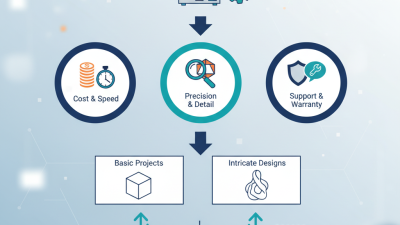
Choosing the right 3D laser printer involves several important factors. One key aspect is budget. Prices can vary significantly. Consider how often you’ll use the printer. If you’re only printing occasionally, a lower-cost option might suffice. However, if you plan to use it regularly, investing in a more advanced model can yield better results.
Another essential factor is print quality. Look for printers with high resolution and precision. Test prints or reviews can help gauge quality. Additionally, consider the types of materials the printer supports. Different projects may require plastic, metal, or resin. If you're not sure, research the strengths and weaknesses of various materials.
Think about the size of the printing area. A larger space allows for bigger projects but may not always fit your work area. Ease of use is crucial too. Some printers have complex setups, while others offer user-friendly interfaces. Reflect on your level of expertise. Investing time in learning may pay off later. Remember, not every printer suits every need, and trial and error can lead to unexpected insights.
Top 3 3D Laser Printers for Budget-Conscious Buyers
Investing in a 3D laser printer can be a daunting task, especially for budget-conscious buyers. The market offers many options, but not all provide good value. Affordability does not always equate to quality, which can lead to disappointment. A reliable machine, even at a lower price, should meet your needs without breaking the bank.
Finding the right balance between cost and functionality is key. Look for printers that offer essential features like high-speed printing and detailed resolution. Some budget-friendly models lack these specifications, which can hinder your projects. Be prepared to research and compare different options. Online reviews can provide insight but also remember that experiences can vary.
Mistakes happen, especially when choosing based on price alone. Some users find themselves upgrading sooner than expected. They realize the initial savings don’t justify the limitations faced. Reflecting on long-term needs can save time and money. Taking the time to evaluate what you truly need in a 3D laser printer can lead to a more satisfying purchase experience.
Mid-Range 3D Laser Printers That Offer Excellent Value
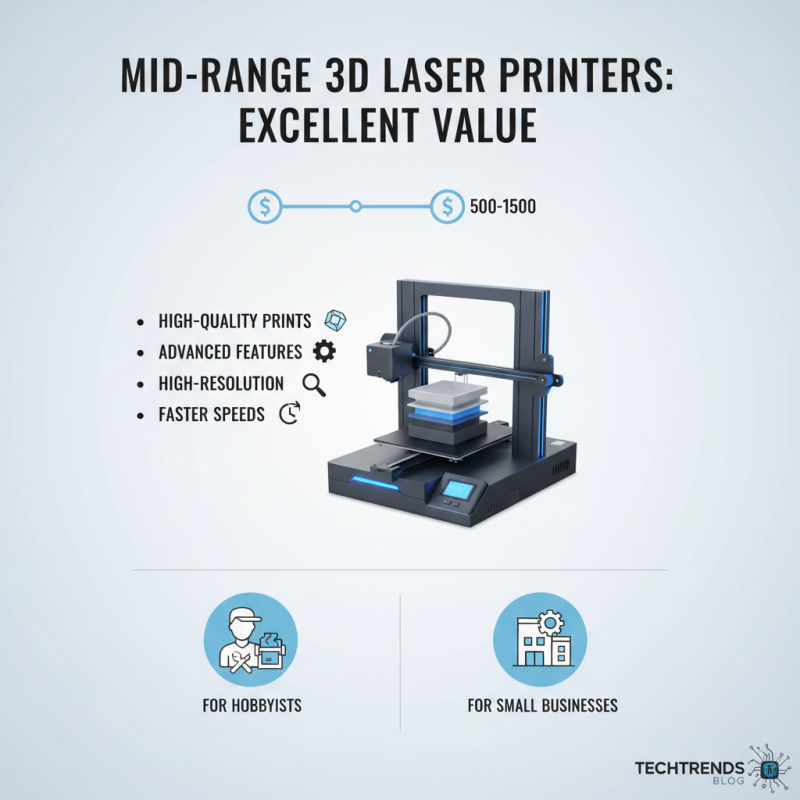
When it comes to mid-range 3D laser printers, excellent value can be found without breaking the bank. According to industry reports, these printers typically range from $500 to $1500. They deliver high-quality prints and advanced features, making them suitable for both hobbyists and small businesses. Features like high-resolution capabilities and faster printing speeds are becoming standard in this range.
Many consumers overlook the importance of precision in 3D printing. A printer’s layer resolution can drastically affect the final product’s quality. Typically, models offering resolutions of 50 microns or less tend to produce smoother finishes. Be sure to consider this factor when choosing a printer.
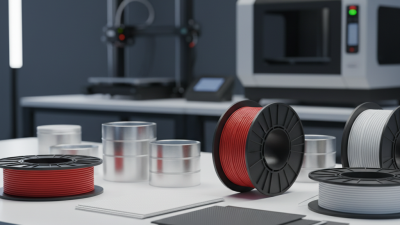
Tips: Research user reviews before making a purchase. Look for feedback on durability and customer support. Testing different filament types can also yield better results. It’s essential to consider additional costs, like materials and maintenance. Investing in diverse printing materials can enhance your project outcomes.